
Colour Theory //
Definitions:
1. Hue - The property of colours by which they can be perceived as ranging from red through yellow, green, and blue, as determined by the dominant wavelength of the light.
2. Value - The relation of one part in a picture to another with respect to lightness and darkness.
3. Saturation - Purity or strength of colour, due to the relative absence of black, white or grey.
4. Secondary colours - A color produced by mixing two primary colours in equal proportions.
5. Tertiary colours - A tertiary colour is a colour made by mixing either one primary colourwith one secondary colour, or two secondary colours, in a given colour space.
6. Analogous colours - Analogous colours are groups of colours that are adjacent to each other on the colour wheel, with one being the dominant colour, which tends to be a primary or secondary colour, and two on either side complimenting, which tend to be tertiary.
7. Monochromatic colours - Monochromatic colours are all the colours of a single hue.
8. Tint - A gradation of a colour made by adding white to it to lessen its saturation.
9. Shade - Light diminished in intensity as a result of the interception of the rays.


WARM COLOURS
Warm colours are colours whose relative visual temperature makes them seem warm. They are based on the red, orange, and yellow and tend to suggest a sense of sunlight and warmth. The positive attributes of these colors include love, passion, heat, joy, and power.




COOL COLOURS
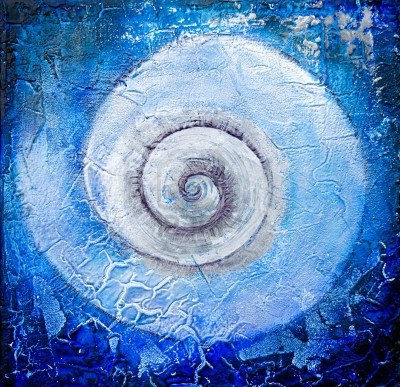
Family of colors with a bluish tinge, such as blue, turquoise, or green. Cool colours are believed to evoke a calmer feeling than warm colours such as red or orange. In aerial perspective, cool colours are said to move away from you, or appear more distant.



REGAL
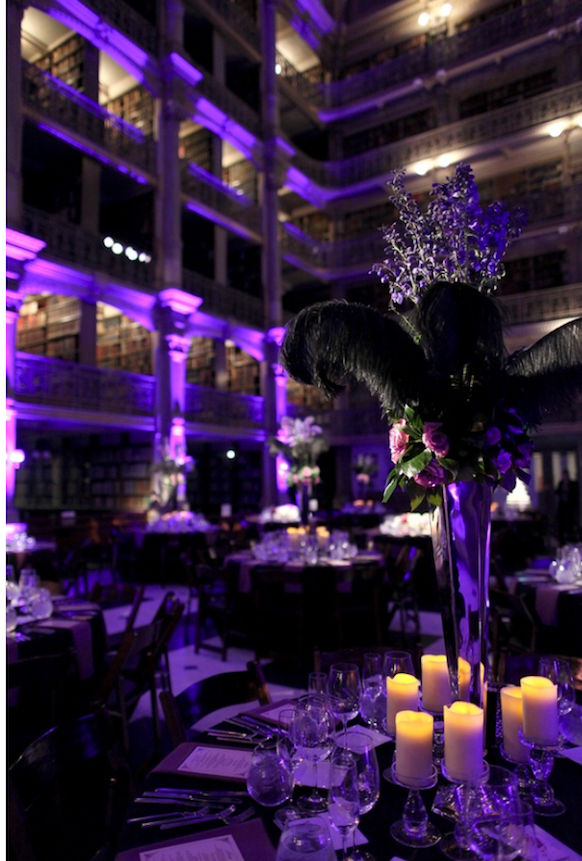
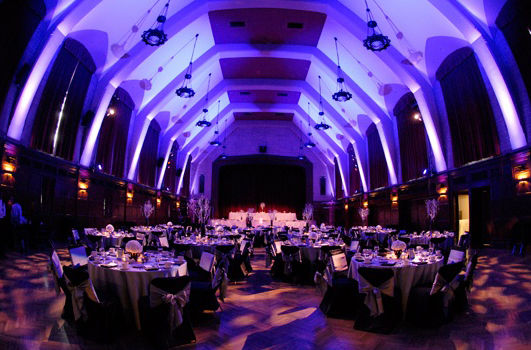
The range of purples can spread from deep, darker purples to soft lavender and give a regal feel or soothing feel. For purple inspiration, think of fields of lavender, violets, hydrangeas, amethyst, eggplants, grapes, beets, onions, plums and berries.




FRESHNESS
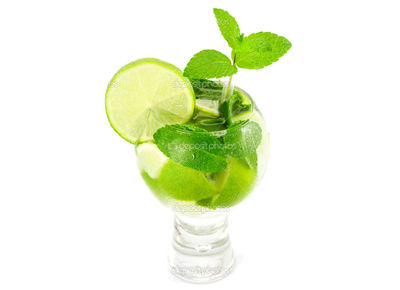
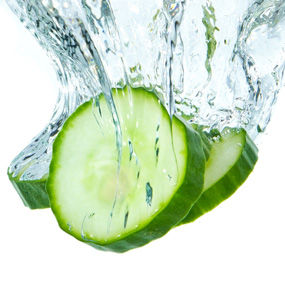
Green signifies nature to most everyone. Food serves as inspiration for shades of green in limes, mint, peas, olives, avocados, apples, pistachios and vegetables too. It is a very versatile color, invoking feelings of freshness, vibrancy and energy to calmness and relaxation in paler shades.


JOY
Orange gives off an aura that is joyful, cheerful, bold, and exciting. Rust, a dark muted orange, is a quiet color that conjures up misty autumn days, while the paler peach makes a cheerful, warm but understated, impact.




PASSION
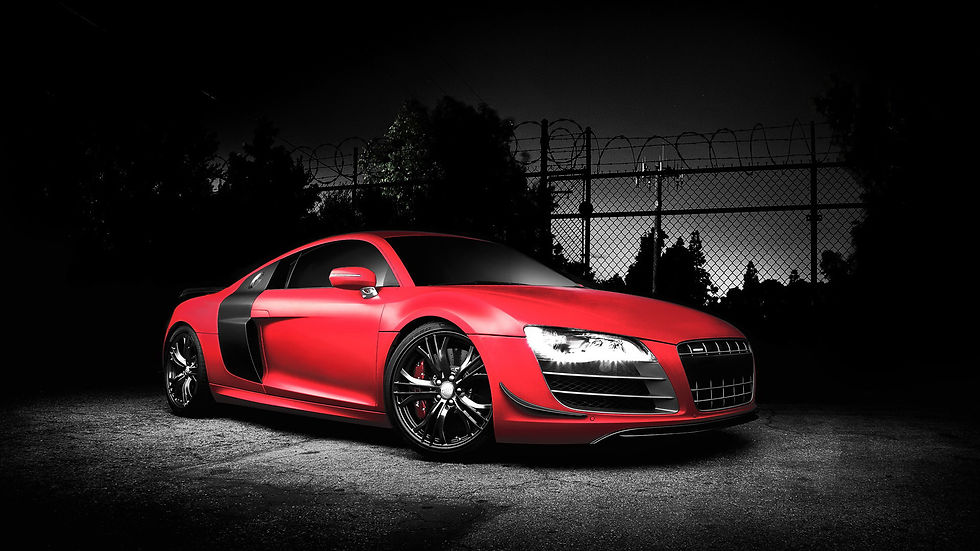
Red is viewed as an exciting, dramatic color. Red also has passionate feel. The darkest reds, such as burgundy and maroon, have a rich stately feeling. Even though some shades of red can be too daring, many shades appear in nature without being too bold. Remember that the red family can range from the pinks to oranges to browns so there is plenty of variety.